Visiting SEWA Rural, Jhagadia: Data, Discipline, and the River Narmada
March 05, 2026 by Mohammed Taqi
A first-hand look at SEWA Rural's adolescent health work in Jhagadia and how Avni enabled data driven follow-ups, reporting, and real-world care, plus lessons in process, trust, and community
Earlier this month, I had the opportunity to visit SEWA Rural in Jhagadia, Gujarat. SEWA Rural is one of India's well-known rural health and development organisations, working across adolescent health, maternal and child health, community outreach, and hospital services.
Until this visit, my interaction with SEWA Rural was largely through implementation calls, data reviews, and reporting discussions. Also, this was my first ever implementation on Avni since I joined Samanvay. Being on campus gave context to all of that. SEWA Rural was founded to serve tribal communities in and around Jhagadia, and over the years, it has built a model that connects village-level outreach with institutional healthcare. Their programmes span school health screenings, community follow-ups, and a 300-bed hospital. The systems are structured, and the discipline in execution is visible across teams.
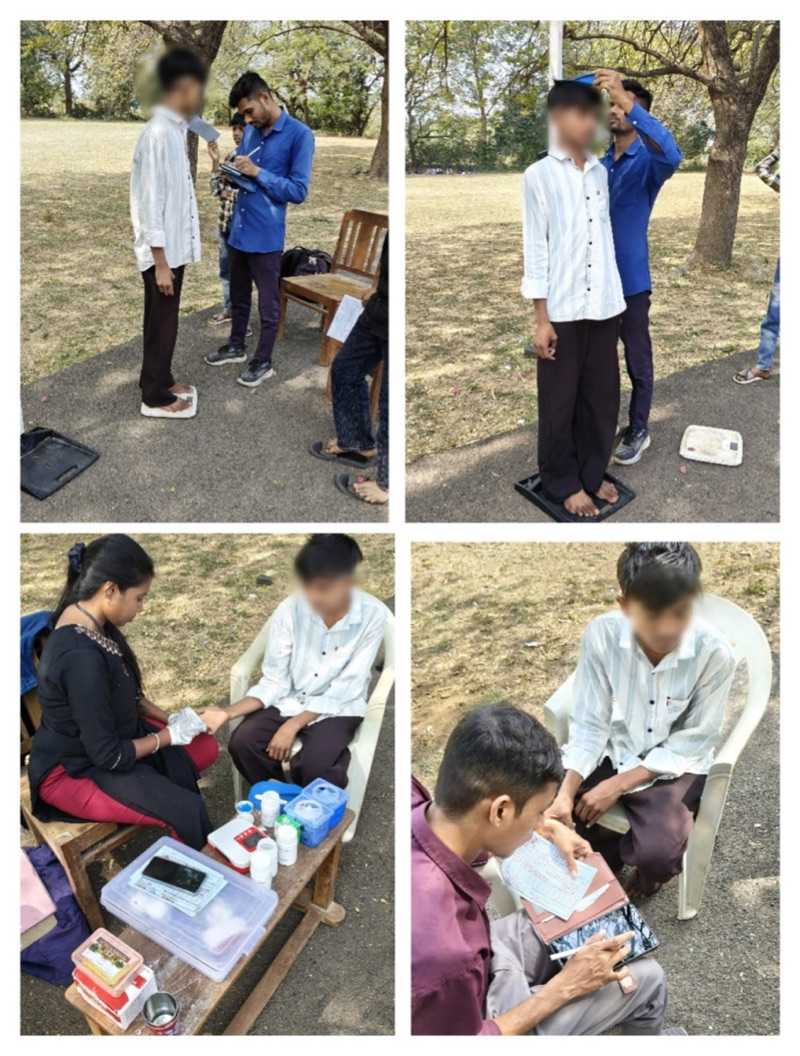
This visit was part of our ongoing work with Avni. SEWA Rural uses Avni in their adolescent health programme during school-based screenings and follow-ups. Field workers record baseline details such as haemoglobin levels, nutritional indicators, and referral information directly into the application. The data is then used to identify cases of moderate or severe anaemia, plan follow-ups, and generate programme-level reports. Seeing this process on the ground helped me better understand how the data we work with translates into real interventions.
Why Data Matters Here
SEWA Rural's programmes are deeply field-oriented. Whether it is adolescent health screening in schools or follow-up visits in villages, their teams collect structured data to support the continuum of care.
For example, in adolescent health interventions, baseline screenings help identify cases of severe or moderate anaemia. Based on these findings, children receive counselling, dietary guidance, and supplementation where required. The data collected is not just for reporting, it directly informs action.
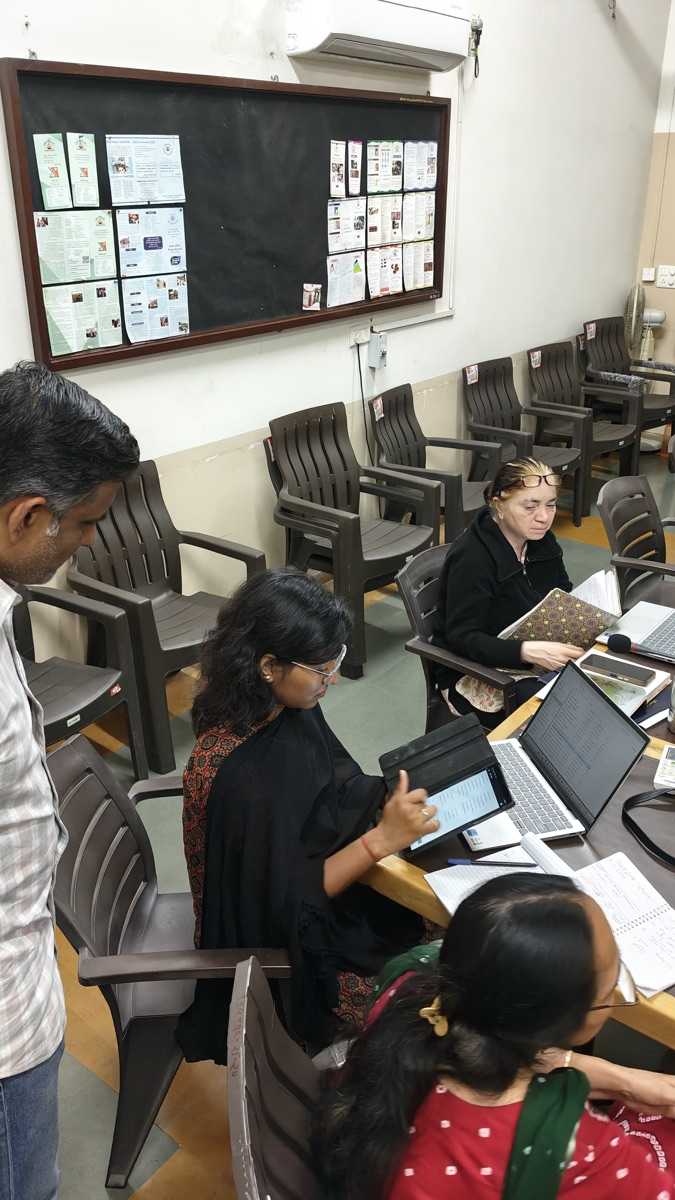
Our role during the visit was to work closely with the programme team to generate better reports and insights from the data. Often, teams are sitting on rich data but do not have the bandwidth to translate it into usable insights. We spent time writing queries, refining logic, validating outputs, and thinking through what kind of dashboards would genuinely support decision-making.
People and Process
What stood out to me most was the patience and thoroughness of the team. Implementations evolve through iterations in clarifying requirements, testing logic, retesting, and refining. During one conversation with Shobha Ben, a musical chairs analogy came up.
She asked me to imagine passing around a chocolate wrapped in multiple layers. Each time the music stops, one layer is removed. The person who removes the final layer gets the chocolate, but the process requires everyone's participation. It was a simple but powerful reminder that good systems are built collaboratively. What appears smooth at the end is usually the result of multiple invisible layers of work.
Field Visits: School, Village, and Hospital
We visited a school where the adolescent health team was conducting screenings. Having worked on this implementation for several years, I had a mental image of how such visits would look, and reality matched that picture closely. The team arrived with equipment, conducted structured screenings, and followed clear protocols.
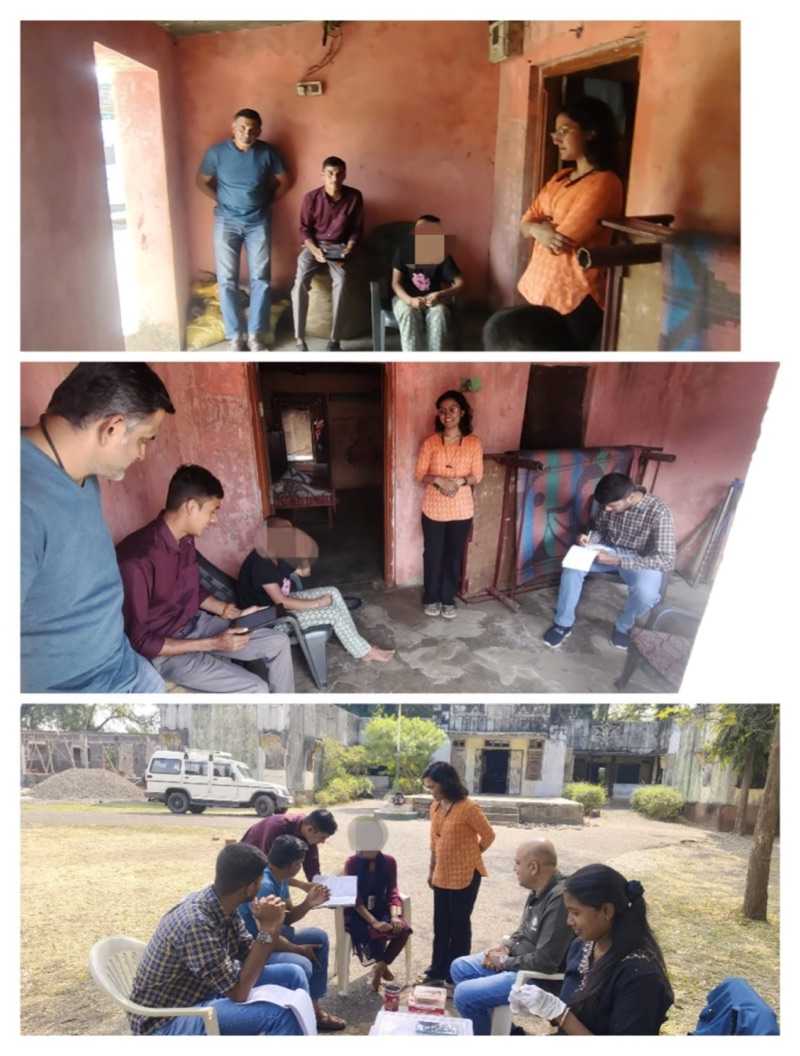
In one village, we visited the home of a child who had dropped out of school and had been identified with severe anaemia. The visit involved follow-up, counselling both around nutrition and around encouraging continuation of education and skill development. The house had basic amenities like electricity, a television, and even a refrigerator. Mobile internet was available, though patchy. Like many Indian villages, it felt both familiar and quietly resilient.
And then there was the hospital.
I will admit, I was surprised. In a relatively remote setting, SEWA Rural runs a 300-bed hospital (with expansion underway toward 450 beds). The neonatal intensive care unit, laboratory facilities, and overall cleanliness were well above what I had expected. Some equipment would not feel out of place in major urban hospitals.
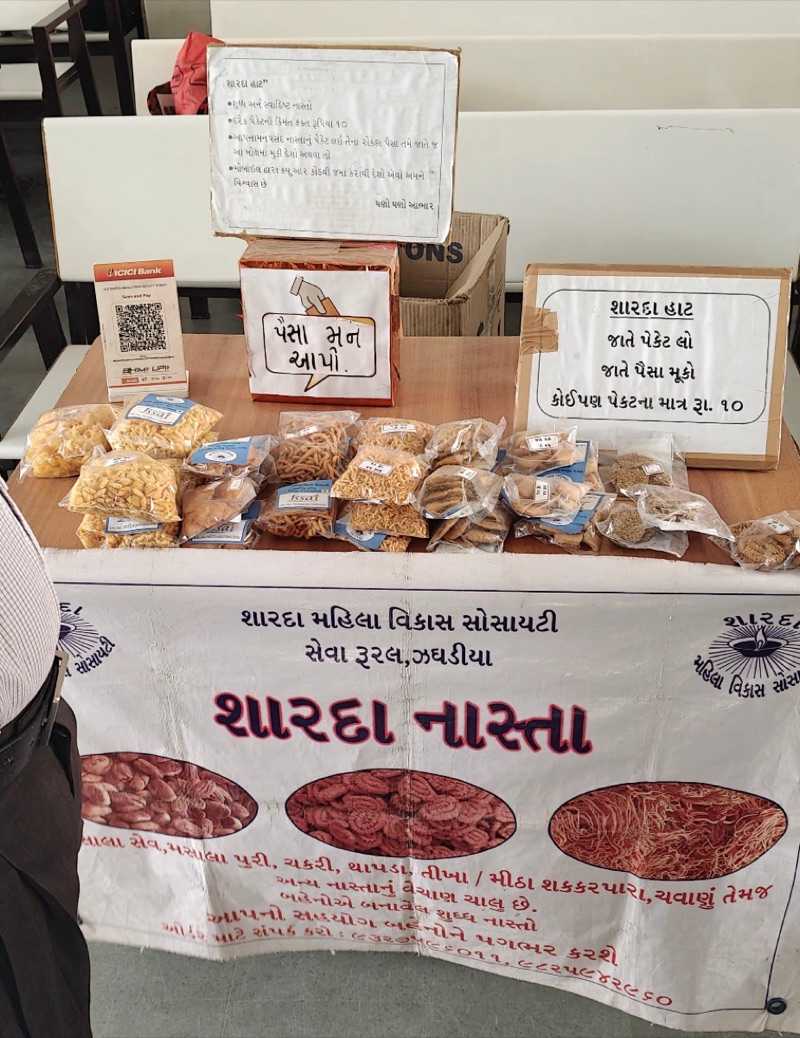
What stayed with me was their commitment to affordability. Patients from tribal communities pay a fraction of the cost, and in cases of extreme financial hardship, treatment is provided free of cost. There was also an unattended snack counter operating on trust; you pick what you need and drop the money in a box or pay online(This is something you will never find in a city). It felt like a small but meaningful signal of the culture of responsibility here.
Learning Beyond Curriculum
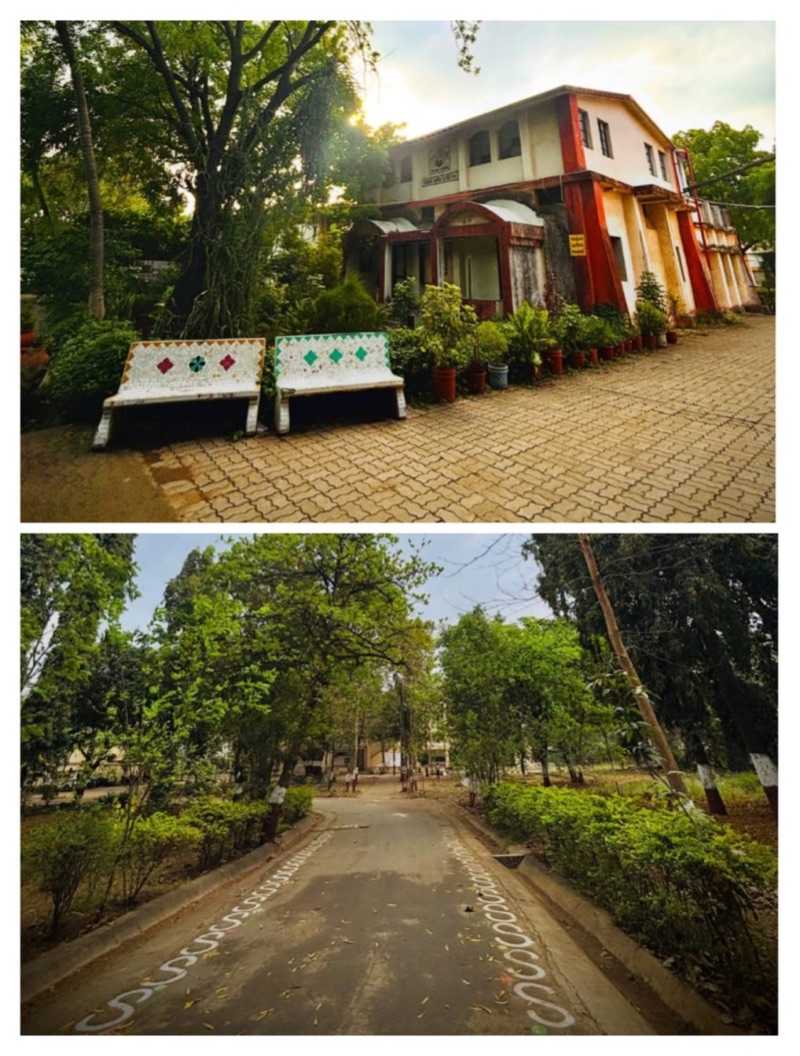
We stayed at SEWA Rural's training centre, which also houses ITI students pursuing vocational courses like CNC machining. Watching students engage in both software and hands-on hardware work reminded me of my own engineering days(For those of you who don't know, I am a mechanical engineer graduate).
The daily routine here is disciplined. The day begins at 6 am with prayer, followed by collective cleaning, where each student picks up a broom. It is a simple practice, but one that builds civic sense and shared ownership. Inspiration is drawn from thinkers like Swami Vivekananda and Mahatma Gandhi, and those values seem woven into daily life rather than displayed as slogans.
A Workshop and Many Questions
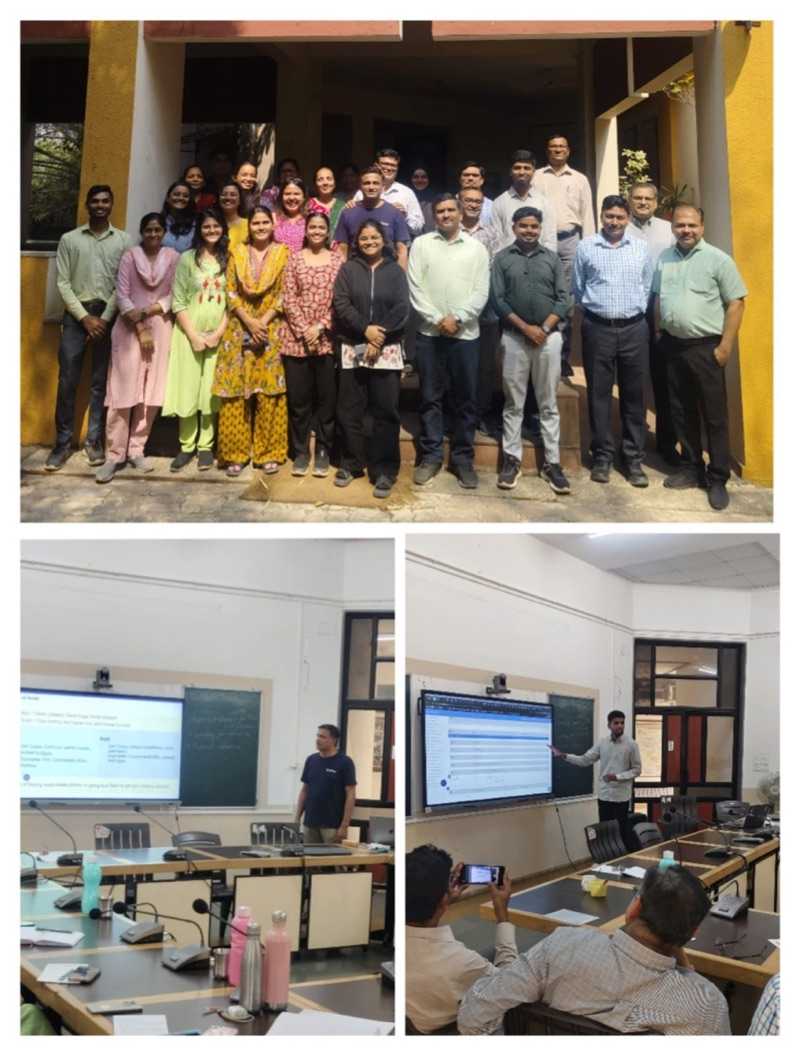
On our final day, we conducted a digital data entry workshop. My colleague Vinay led most of it, and I observed closely. What struck me was the engagement; nearly everyone in the room contributed, whether through questions, suggestions, or reflections. It is encouraging when users of a system feel comfortable enough to critique and improve it.
Evenings by the Narmada
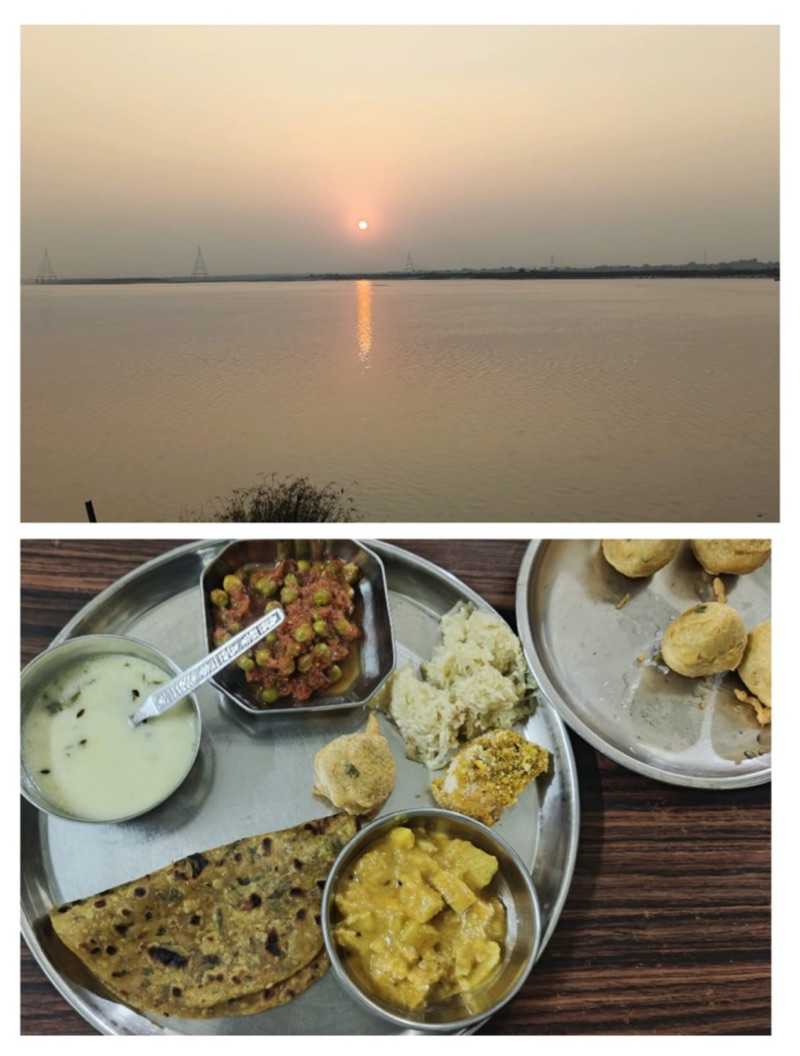
Work aside, we did get a quiet evening by the Narmada River. We visited temples along the riverbank and learned about a chant that has reportedly continued uninterrupted for decades(since the 1980s). The sunset over the water was calm and expansive. A contrast to our otherwise packed schedule.
And yes, there was excellent home-cooked food one evening hosted by Shobha ben, including methi thepla and a buttermilk-based curry that I will remember for a while.